By: Hafid Abbas
Founder Wisma Hafid, Andy Keek, Qing Global Development, Singapore, and Dendi Pongsimping, Kizuku Internasional Academy, Makassar
Indonesia faces a persistent challenge in providing meaningful employment opportunities for its young people, particularly secondary school and university graduates entering an increasingly competitive labour market. While Indonesia has a large young population, translating this demographic potential into productive employment remains a major national priority.
One promising solution is to expand access to international employment opportunities, particularly in Japan, where an ageing population and declining domestic workforce have increased demand for foreign workers.
In this context, Wisma Hafid Education and Training Center (WHETC) is contributing to efforts to reduce youth unemployment by preparing and facilitating Indonesian young people to work in Japan. The programme targets graduates of both secondary schools and universities, equipping them with the necessary language proficiency, professional skills, and cultural understanding to participate in Japan’s labour market.
Japan offers significant economic opportunities for Indonesian workers. According to Japan’s Ministry of Health, Labour and Welfare, the 2025 wage statistics show that foreign workers under the Specified Skilled Worker (SSW) programme earn an average monthly base salary of approximately ¥221,400. Meanwhile, Technical Intern Trainees earn as basic an average of approximately ¥190,300 per month.
These figures demonstrate the potential financial benefits of working in Japan. Although actual salaries vary according to occupation, location, employer, and working conditions, the opportunity to earn Japanese wages can provide Indonesian youth with a stronger financial foundation for their future.
However, sending young Indonesians to Japan should not be viewed merely as a temporary solution to domestic unemployment. Rather, it should be understood as a strategic investment in human capital, international experience, and national development.
There are at least four important benefits that Indonesian youth can gain from this opportunity.
First, higher incomes and opportunities for savings.
Working in Japan can provide young Indonesians with access to considerably higher earning opportunities than many entry-level jobs available in Indonesia.
With an average monthly base salary of approximately ¥221,400 for Specified Skilled Workers and ¥190,300 for Technical Intern Trainees, young Indonesians can potentially accumulate meaningful savings during their employment.
Of course, take-home pay will be lower after deductions for taxes, social insurance, accommodation, and other applicable expenses. Nevertheless, with proper financial literacy training and responsible financial planning, migrant workers can save a significant portion of their earnings.
These savings can subsequently be used to establish small businesses, support their families, pursue further education, or invest in productive activities upon returning to Indonesia.
Second, recognition of work experience as part of higher education.
One particularly promising aspect of this programme is the possibility of connecting international work experience with Indonesia’s higher education system through Prior Learning Recognition (Rekognisi Pembelajaran Lampau or RPL).
Young people who complete secondary education and subsequently gain professional experience in Japan should not have to regard their employment experience as separate from their academic aspirations.
The competencies, technical skills, workplace discipline, and practical knowledge acquired abroad could potentially be assessed and recognised by Indonesian universities through RPL mechanisms.
For those wishing to pursue undergraduate studies, relevant learning outcomes gained through employment may be recognised as equivalent to certain academic learning outcomes or course components, subject to university regulations and assessment requirements.
This approach creates a more flexible pathway between employment and higher education. Young people can work first, accumulate savings and professional experience, and subsequently continue their university education without necessarily starting their learning journey from zero.
Third, valuable skills and international work experience.
Working in Japan offers much more than financial benefits. Indonesian workers can learn about advanced production systems, workplace discipline, technological applications, quality control, teamwork, and professional responsibility.
Japan is internationally recognised for its emphasis on efficiency, precision, continuous improvement, and quality management.
Exposure to these working practices can help Indonesian youth develop competencies that are valuable in an increasingly globalised economy.
Upon returning home, these workers can transfer their knowledge and experience to Indonesian industries, businesses, and communities. They may become entrepreneurs, supervisors, skilled technicians, or trainers who help improve the productivity and competitiveness of Indonesia’s domestic workforce.
Therefore, overseas employment should also be considered an investment in human resource development and knowledge transfer.
Fourth, international networks and intercultural understanding.
Another important but sometimes overlooked benefit is the opportunity to establish international networks.
In Japan, Indonesian migrant workers will interact not only with Japanese colleagues and employers but also with migrant workers from various other countries.
These interactions can broaden their perspectives, strengthen their communication skills, and develop their ability to work in multicultural environments.
International friendships and professional relationships may also create future opportunities for business cooperation, entrepreneurship, and cross-border collaboration.
In an increasingly interconnected world, international networks represent valuable social capital. Young Indonesians who have worked abroad can become bridges between Indonesia and other countries, contributing to stronger people-to-people relations and international cooperation.
Supporting President Prabowo’s Asta Cita Agenda
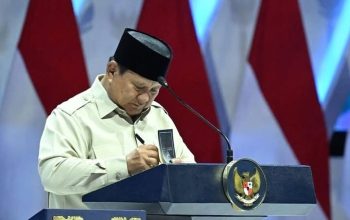
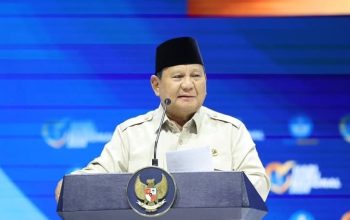
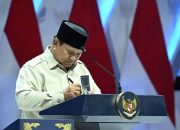
The initiative undertaken by WHETC is also relevant to President Prabowo Subianto’s national development vision, particularly the Asta Cita agenda.
The programme supports the broader ambition of strengthening human resource quality, expanding employment opportunities, improving education and skills development, and enhancing Indonesia’s competitiveness in the international arena.
Rather than treating migrant workers merely as a source of remittances, Indonesia should recognise them as potential agents of economic transformation.
Properly prepared and protected migrant workers can contribute to national development through their savings, acquired competencies, international networks, and entrepreneurial initiatives.
Nevertheless, this opportunity must be supported by responsible governance. Recruitment should be transparent, training should meet Japanese and Indonesian standards, and workers must receive adequate information about employment contracts, wages, insurance, working conditions, and legal protection.
Cooperation between training institutions, universities, government agencies, and Japanese employers is essential to ensuring that the programme delivers sustainable benefits.
WHETC both in Cibubur and in Makassar can play an important role in this ecosystem by preparing prospective workers not only to secure employment but also to become competent, responsible, and globally competitive human resources.
Turning Migration into a Development Strategy
Indonesia should begin viewing international labour mobility as more than an employment-placement programme. When properly managed, it can become an effective instrument for reducing youth unemployment, strengthening human capital, promoting international cooperation, and supporting long-term economic development.
The opportunity in Japan should therefore be approached as a two-way investment. Indonesian youth gain income, skills, professional experience, and international networks, while Indonesia gains a more capable workforce that can contribute to national development upon returning home.
The ultimate objective should not simply be to send more young Indonesians abroad. It should be to prepare a generation of globally competent young people who can bring their knowledge, savings, experience, and networks back to Indonesia.
By connecting overseas employment with skills development, Prior Learning Recognition, and reintegration into the domestic economy, Indonesia can turn international labour mobility into a strategic pathway towards a more productive and competitive future.
This is the development opportunity that WHETC seeks to advance—and one that deserves serious attention from policymakers, educational institutions, and the private sector.
Wisma Hafid is committed to supporting Indonesia’s vision of Job for All and Zero Poverty by opening pathways to decent employment, skills development, and international opportunities for Indonesian youth. We believe that creating jobs is not merely about providing income; it is about restoring dignity, building self-reliance, empowering families, and transforming human potential into national prosperity. Our ultimate goal is to ensure that every young Indonesian has an opportunity to work, prosper, and contribute to a better Indonesia.”